I learned how to run smooth kids’ parties the hard way, with a driveway full of early arrivals and a delivery truck idling at the curb. After dozens of events for my own kids and neighbors, and more calls with rental companies than I care to admit, I’ve collected the small details that make the difference between a breezy party and a stressful scramble. If you’re booking inflatable rentals or any kind of party equipment rentals, the schedule, delivery, and setup plan carry the day.
This guide stays practical. We’ll talk about how far in advance to book a bounce house rental, what to ask the dispatcher the week of your event, what a decent setup looks like at the curb and in your yard, and how to keep everything safe without hovering like a lifeguard at a wave pool. We’ll also dig into different choices, from toddler bounce house rentals to water slide rentals, and when it’s better to bring the party indoors.
The best booking window, by season and demand
Your timeline depends on two things: seasonality and specialty items. In most regions, May through September is peak season for party inflatables. Saturdays between 11 a.m. and 3 p.m. are the most requested windows, and the Saturday before and after the last day of school can be busier than Memorial Day. If you want themed bounce house rentals, combo bounce house rentals with slides, or inflatable obstacle courses, you’re competing with school events and block parties, not just birthdays.
Here’s a rule of thumb that works for families and planners who don’t want to overpay or settle for the leftovers. Aim for 4 to 6 weeks’ lead time for a standard birthday party bounce house, 6 to 8 weeks for unique pieces like inflatable bounce castles or dinosaur themes, and 8 to 10 weeks for popular water slide rentals in July. If you’re planning a neighborhood event or need multiple units, booking 8 to 12 weeks ahead gives you far better selection.
Last-minute requests can still work, especially if you’re flexible on delivery time or size. Midweek parties open the door to better rates and easier party rentals scheduling, and many companies will have cancellations during heat waves or rainy weekends. Just remember that same-week bookings often mean a wider arrival window and fewer theme options.
Choosing the right inflatable for the space and the crowd
People tend to choose with their eyes, not their yard. That 20-foot inflatable slide looks incredible until you realize your tree canopy hangs at 18 feet. A quick site check on your end saves drama on delivery day.
Measure the footprint where you want the unit, then check clearance around it for anchoring and access. Most bounce units need 3 to 5 feet of clearance on all sides, plus overhead clearance for power lines and branches. A typical 13 by 13 bounce house requires roughly 15 by 15 feet of level space. Larger inflatable slide rentals and obstacle courses need more, and some require a straight, unobstructed path for dolly access. If you have gates, note the width. Many dollies need at least 36 inches, and some larger inflatables require 42 inches clear.
Now match the unit to the kids. A toddler bounce house rental has a lower entry, softer pop-ups, and typically a lower height, which reduces fall risk. For mixed ages, combo bounce house rentals with a small slide deliver variety without the chaos of a massive inflatable. If you know you’ll have ten kids on the young side and three older cousins, consider a medium combo plus a small-yard game like a cornhole set to keep the big kids from bulldozing the little ones. Inflatable obstacle courses shine at school events and backyard parties where you need throughput: kids enter one side, exit the other, and the rotation prevents pileups.
Water changes the equation. Water slide rentals feel like instant summer magic, but they bring hoses, wet grass, and mud. If you choose a water unit, plan the takeoff and landing zones with care, and think through how kids will line up with towels rather than turning your kitchen into a slip zone. Also confirm that the slide has a drain where it empties; some are designed to recirculate in a splash pool until you release the water.
Delivery windows that work with reality
Rental companies live by route efficiency. They’ll stack deliveries across a region, and each one can run long due to traffic or tricky setups. Push for a delivery window that gives you margin. If your party starts at 2 p.m., ask for delivery between 10 a.m. and noon. Don’t accept a 12 to 2 window unless you’re fine starting late or explaining to kids why they’re waiting.
Plan pickup with the same margin. If your event ends at 5 p.m., schedule pickup between 6 and 8 rather than right at the end. You’ll avoid the awkward moment when staff fold a giant inflatable while everyone sings happy birthday. If you need the unit gone precisely on time because of a shared space or HOA rule, be crystal clear and consider paying for a dedicated pickup. The company will often assign a separate crew for precise timing, which reduces your risk.
If you share a driveway or rely on street parking, give the company a heads-up on where to stop and unload. A few minutes spent on a diagram or a quick text with a photo of your house number prevents the driver from looping the block.
Power, outlets, and generator choices
Every inflatable needs a blower, and blowers need power the entire time the unit is inflated. Think through your circuit load. A standard 1 to 1.5 horsepower blower might draw 7 to 12 amps, and some larger slides use two blowers. A single 15-amp household circuit can often handle one blower, but not much else. Plug in a popcorn machine or a cotton candy machine on the same circuit, and you’ll trip a breaker. Use dedicated outlets on different circuits when possible. Kitchen and garage outlets are often on separate circuits, which helps.
Extension cords introduce two problems: voltage drop and tripping hazards. Most companies provide a heavy-gauge 50 to 100 foot cord rated for outdoor use, and many will refuse to power a blower with a thin indoor cord for safety. If your outlet is farther than 100 feet, consider renting a generator from the same company. That way, they control the fuel, placement, and decibel level. Generators are measured in running watts, and a single blower might require 1,000 to 1,500 running watts. Ask the company to spec a generator that covers all blowers with 20 to 30 percent headroom.
If your party is in a park, confirm whether generators are allowed and whether you need a permit. Some municipalities restrict fuel containers near playgrounds, and some parks issue a specific time window for setup and removal. If you’re planning indoor bounce house rentals at a church hall or gym, confirm power availability and outlet locations in advance, along with the ceiling height. Gym rafters are unforgiving.
Ground surfaces, anchoring, and safety checks
Anchoring is non-negotiable. On grass, the safest setup uses stakes, typically 18 inches long, driven at an angle. Many companies won’t stake into sprinkler lines, which means you need to know where they run. On concrete, asphalt, or indoor floors, sandbags or water barrels serve as ballast. Sandbag placement looks simple, but weight matters. A medium-sized bounce might need 10 to 14 sandbags at 40 to 50 pounds each, placed exactly where the manufacturer specifies. If a crew starts placing sandbags only on the corners, ask them to follow the anchor points along the sides as well. It’s not nitpicking, it’s physics.
Check the surface before the crew arrives. Remove sticks, gravel, and dog toys. Freshly mowed grass is fine, but wet clippings become slime. If you have a slope, ask the company how much pitch is acceptable. Most units handle a gentle slope, but a hard tilt changes the way kids land in a slide or bounce against a wall.
Before kids get on, walk the inflatable like a pilot’s preflight. Look for taut anchoring, covered blowers, and secure zippers. Inflatable slide rentals have tie-off points and netting at the top platform. Make sure the netting is intact, the platform pad sits flat, and the landing area is clear and firmly attached. Run your hand along seams to check for strong airflow and no hot spots from friction. If the blower tube twists or kinks, untwist it. A partially collapsed tube can reduce airflow and soften the walls.
Scheduling strategy that reduces crowding and waiting
Parents underestimate the power of a simple schedule. It’s not about being rigid. It’s about guiding the flow so kids take turns and nobody cries over rules they didn’t hear.
I like to open the inflatable portion a few minutes after the official start time. This lets early arrivals get their bearings and late arrivals avoid a meltdown when they see a bounce house already full. A natural cadence is 20 to 30 minutes of free bounce, a quick water break, another free bounce session, then cake, then a last session to burn the sugar. During cake, have the blower remain on unless you need the noise down. Deflating mid-party sends mixed signals.
For mixed-age groups, give older kids a dedicated rotation. Announce it like they’re getting special privileges, not like you’re sidelining them. If you have a combo bounce house with a slide, create two lines. One for entering the bounce, one for the slide, with a volunteer or two guiding the flow so you don’t get collisions at the exit.
Indoor vs outdoor decisions
Indoor bounce house rentals solve three problems at once: weather, noise for neighbors, and daylight. Gym floors are perfect. Church halls with high ceilings work well, too. Indoors, wind is not a factor, and you can use weights for anchoring rather than stakes. The trade-off is access and ventilation. Check the path for dollies, confirm elevators if you’re not on ground level, and make sure doors can be propped briefly without triggering alarms.
Outdoors, wind governs safety. If gusts exceed the manufacturer’s limit, usually 15 to 20 miles per hour, deflate. A crew should leave you with a wind threshold on the contract. If they don’t, ask for it and follow it. Most accidents in the news involve wind and poor anchoring. You don’t need a weather station; watch trees and flag movement, and use a phone app that shows gusts rather than just average wind speed. If you’re right on the edge, reduce the number of kids and keep an adult at the entrance.
Communication with the rental company that moves the needle
Clear, specific communication is worth more than a discount code. A week before your event, call or message the office to confirm delivery window, unit type, surface, access, power, and backup plan for rain. If your yard is tricky or parking is tight, text photos. Companies route by risk as much as distance. If they know your driveway fits a truck, you’re more likely to get an early slot.
The day before delivery, ask for the driver’s number or a dispatch line. If your gate code changes or a car blocks the curb, you want a direct line. And after they set up, take five minutes with the crew to walk the unit. Ask them to show you the breaker switch for the blower, how to disconnect and reconnect safely, and where the emergency deflation zippers are in case you need to drop the unit due to weather.
Supervision, rules, and managing the “one more kid” problem
You’ll need one adult with eyes on the inflatable at all times. Trade shifts so no one misses the fun. Announce three rules to every new group, out loud, in plain language. Shoes off and nothing sharp in pockets. No flips or roughhousing. No climbing the net or walls. Then enforce them with a light touch. Kids follow rules when they sense a grown-up cares and the rules are consistent.
For obstacle courses, keep racers in pairs and start the next pair only when the previous set exits the slide. For water slides, insist on feet-first and have one adult drying steps with a towel now and then to keep traction. If younger kids get overwhelmed, shift them to a separate activity for a few minutes, then reintroduce them during a calmer rotation.
Weather pivots without drama
Rain doesn’t always ruin a party, but you need a plan. Most vinyl inflatables become slippery when wet, so many operators will not allow use in rain. Light, short showers are manageable if you pause, dry the unit, and resume, but repeated soakings are a slip hazard and can damage blowers. Ask your company about rain policies, rescheduling windows, and whether they allow setup on damp grass.
If your forecast looks sketchy three days out, start prepping a backup. A garage can fit a small bounce if you move cars and storage bins, and power is close. Indoor combo units are bigger than you think, so measure height and brace for noise. If you prefer to reschedule, many companies will move your deposit to a new date when the forecast shows sustained rain or high winds. Call early. Once trucks are loaded, you’re either committed or paying a fee.
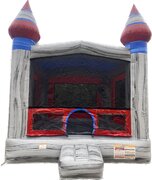
Heat is its own wrinkle. In full sun, dark vinyl gets hot. Plan canopy shade for the entry step or rotate a shade sail over the waiting area. Hydration stations reduce meltdowns. If the heat index pushes into dangerous territory, shorten bounce sessions, and consider an early morning schedule. Water units help, but wet grass becomes slippery. Keep towels handy and remind kids to walk between the slide and the snack table.
Cleaning, hygiene, and what “sanitized” should look like
Reputable companies clean and sanitize after each rental. That means more than a quick wipe. You should see a sanitizer spray and clean rags or a sprayer in the truck, and the crew should spot clean after setup. If you see obvious grime in corners or a sticky slide lane, ask for a wipe-down before kids climb in. You won’t offend anyone who takes pride in their equipment.
Shoes off always. Socks help, but they get wet at water units, so bare feet are common. If you’re worried about germs, keep a pump of hand sanitizer at the entry and a small basket for socks. Avoid food inside the bounce. It gums seams and attracts ants. If you’re doing a water slide, dedicate a towel bin and rotate clean towels so kids aren’t tracking water into the house.
Insurance, permits, and the grown-up paperwork
For backyard parties, you typically won’t need a permit, but parks often require vendor insurance on file. Ask your rental company to provide a certificate of insurance listing the park department as additionally insured. Some HOAs require the same for common spaces. If your event is at a school or church, request the certificate a week ahead so the office has time to approve it.
Waivers are common. Read them. They usually lay out wind limits, fun bounce house with slide supervision requirements, and what constitutes acceptable surfaces. If you ignore the rules and someone gets hurt, your position weakens. The best operators also carry workers’ comp for their crews, which protects you if a worker is injured on your property.
Setup choreography on delivery day
When the truck arrives, walk the route with the crew. Clear the path, open gates, and confirm the exact placement. Think about entrances and exits. For a combo unit, you want a clear path to the exit slide that doesn’t cross a step or hose. For water slide rentals, place the hose away from the steps so kids don’t slip when climbing.
Once the inflatable is down and the blower starts, the crew will shape the unit as it inflates. This is the moment to check orientation. If the entrance faces into the sun, kids will squint and avoid hydration. A 90-degree rotate might solve it. The crew can shift the unit while it’s half-inflated, but not once it’s anchored. Speak up early.
Ask the crew to show you every anchor point. It takes 60 seconds, and you’ll sleep better. Verify that the blower is shielded so kids can’t pull the plug or trip on the tube. If your outlet is prone to tripping, ask the crew to test the blower for 10 minutes before they leave. Most failures happen early.
Food, decorations, and traffic flow around the inflatable
Keep snacks and drinks at least ten feet from the entrance. Sugary hands turn vinyl into flypaper. Use heavy cups or bottles with lids. Balloons are fine, but avoid crepe paper streamers near a water slide. Wet dye stains vinyl. If you hang a birthday banner on the inflatable, use painter’s tape or attach to the designated rings if the unit has them. Never puncture the vinyl or tie strings around blower tubes.
Set a shoe mat and a small bench by the entrance. Parents appreciate the cue, and it keeps a mountain of sneakers from migrating into the grass. If you have a lot of younger kids, a second bench gives them a place to wait and watch, which reduces crowding at the door.
End-of-party steps that protect your deposit
When it’s time to wrap, guide kids off gently and keep the blower running until the crew arrives unless weather forces a shutdown. Deflating early can trap items inside and makes it harder for the crew to inspect. Walk the unit and remove any toys or jewelry. If the party included confetti or foam, mention it in advance. Many companies charge cleaning fees for confetti because it clings to vinyl and blower intakes.
If the ground is soaked from a water slide, be honest about it when the crew arrives. They’ll adjust their folding technique to avoid trapping water. Ask about post-drying time if you’re curious; large slides can take hours to fully dry at the warehouse. This is one reason companies avoid picking up wet units at night when temps drop.
When to go bigger, and when to scale down
It’s tempting to rent the largest piece of event entertainment rentals you can afford, but bigger isn’t always better. A massive obstacle course thrills kids at a school carnival because you have space and volunteers to run it. In a small backyard with tight fences, the same unit eats your party. If you have fewer than 15 kids and they’re under 8 years old, a medium bounce or a combo with a short slide feels perfect. You’ll save money and avoid overwhelm.
On the flip side, if your guest list approaches 25 kids with a wide age range, separating activities works better than one giant inflatable. Pair a combo bounce house with a game station and a craft. Rotate groups. This reduces rough collisions and gives shy kids an easy on-ramp.
Budget moves that don’t cut safety
You can negotiate without nickel-and-diming. Ask about weekday pricing, off-peak delivery times, or bundling a small concession with the inflatable. Many companies offer a package price if you add a cotton candy machine or a set of tables and chairs. If you live nearby the warehouse, ask whether being first or last on the route lowers the delivery fee. It often does because the truck starts or ends close to home.
Avoid saving money by forgoing stakes on grass or by plugging multiple blowers into a single overloaded outlet. Those are false economies. Spend on proper anchoring and enough power. You can trim elsewhere, like choosing a classic bounce instead of a themed mural, or skipping branded banners and adding your own party decor.
A simple, high-impact checklist before the truck arrives
- Measure your space, including gate width and overhead clearance, and text photos to the rental company. Confirm power: outlets on separate circuits, extension cord length and gauge, or a generator if needed. Decide on placement, shade, and traffic flow, and clear the path from curb to setup spot. Set delivery and pickup windows with buffer, and ask for the driver’s contact or dispatch line. Prepare supervision, rules, and a backup plan for weather or overwhelmed younger kids.
A few lived-experience notes for special cases
First birthdays and toddler-heavy parties benefit from shorter sessions. Keep the bounce house open for 15-minute bursts, with quiet play in between. Toddlers fatigue quickly and faceplant when tired.
For themed bounce house rentals, ignore the banner if the unit looks worn. Kids don’t care if the princess is from the newest movie or last season’s hit. They care whether the floor feels springy and the slide is fun. Choose the newer unit over the perfect graphic.
If you’re hosting on a townhome patio, small doesn’t mean no. Many companies carry compact inflatables that fit a 12 by 12 space with a 7-foot clearance. Indoor bounce house rentals for townhome clubhouses are common, and the access is easier than you think if the doorways are standard width.
School fields are ideal for inflatable obstacle courses and larger units, but staking into turf may require groundskeeper approval. Loop in the school secretary early; they are the gatekeepers of calendars and keys.
The payoff for doing it right
When the schedule clicks, deliveries slot into place, and the setup is thoughtful, the party runs itself. You’ll have time to chat with parents, take photos, and actually eat a slice of cake. The kids will remember the thrill of the slide or the bounce, not the waiting or the rules. The crew will appreciate that you prepared the space and power, and they’ll likely go the extra mile with placement and cleanup.
Kids party rentals are supposed to feel simple. They do when you address the hidden work up front. Choose the right unit for your space and guests, book with enough lead time, give delivery and pickup generous windows, power everything safely, anchor properly, and supervise with a light hand. Whether you go with classic party inflatables, a backyard water slide, or a compact indoor setup for winter birthdays, these details carry the weight. The rest is laughter and a driveway strewn with balloons.